Social Engineering Explained: Common Tactics and How to Stay Safe
Social engineering poses a significant threat to businesses. This article explains common tactics used by attackers and provides actionable steps to safeguard your organization.
What is Social Engineering?
Social engineering is a manipulation technique that exploits human psychology to gain confidential information, access, or valuables. It often involves tricking individuals into breaking normal security procedures. Understanding these tactics is crucial for safeguarding your business.
Common Tactics Used in Social Engineering
Social engineers employ various tactics to deceive their targets. Here are some of the most common:
1. Phishing
Phishing involves sending fraudulent emails that appear to be from reputable sources, encouraging recipients to click on malicious links or provide sensitive information. These emails often create a sense of urgency, prompting quick action.
2. Pretexting
In pretexting, an attacker creates a fabricated scenario to steal personal information. For example, they might impersonate a trusted figure, such as a bank representative or IT support, to extract sensitive details.
3. Baiting
Baiting involves offering something enticing to lure victims into a trap. This could be a free download or a USB drive left in a public place, which, when used, can install malware on the victim's device.
4. Tailgating
Tailgating refers to gaining physical access to restricted areas by following someone with legitimate access. This tactic can be particularly dangerous in workplaces where security measures are lax.
How to Stay Safe: Practical Steps for Your Business
Protecting your business from social engineering requires a combination of awareness, training, and policy implementation. Here are some actionable steps:
1. Employee Training
Conduct regular training sessions to educate employees about social engineering tactics and how to recognize them. Encourage a culture of skepticism where employees verify any unusual requests or communications.
2. Implement Security Policies
Develop clear security policies that outline protocols for handling sensitive information. Ensure employees understand these procedures and the importance of adhering to them.
3. Multi-Factor Authentication (MFA)
Implement multi-factor authentication for all sensitive accounts. MFA adds an extra layer of security by requiring additional verification beyond just a password.
4. Regular Security Audits
Conduct regular security audits to identify vulnerabilities in your systems and protocols. Address any weaknesses promptly to minimize risks.
5. Secure Physical Access
Ensure that physical access to your workplace is secure. Use badge entry systems and visitor logs to track who is entering your premises.
Checklist: Actions to Protect Your Business from Social Engineering
- [ ] Conduct regular employee training on social engineering awareness
- [ ] Implement and communicate clear security policies
- [ ] Enable multi-factor authentication for sensitive accounts
- [ ] Perform regular security audits and address vulnerabilities
- [ ] Secure physical access to your workplace
FAQs
Q1: What should I do if I suspect a phishing attempt?
A: If you suspect a phishing attempt, do not click any links or provide information. Report the email to your IT department or security team immediately.
Q2: How can I identify a pretexting attempt?
A: Be cautious of unsolicited requests for sensitive information, especially if they create a sense of urgency. Verify the identity of the requester through a separate communication channel.
Q3: What are the signs of a potential baiting attack?
A: Signs of baiting include unexpected offers, such as free downloads or items left in public areas. Avoid using any unfamiliar devices, especially USB drives.
Conclusion
Social engineering is a significant threat to businesses of all sizes. By understanding common tactics and implementing proactive security measures, you can protect your organization from these manipulative attacks. Stay informed, stay vigilant, and ensure that your team is equipped to recognize and respond to these threats effectively.
Related Articles

What Is Vishing Everything You Need To Know
Vishing, or voice phishing, is a growing threat to businesses in Australia. This article explains what vishing is, how it works, and provide...

Social Engineer: YOU are Easier to Hack than your Computer
Social engineering is a significant threat to businesses, as it exploits human psychology to gain sensitive information. This article provid...
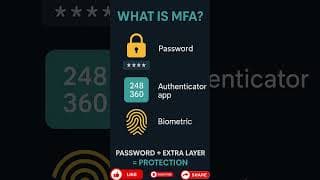
What Is MFA? | Secure Your Accounts with Multi-Factor Authentication #MFA
Multi-Factor Authentication (MFA) adds essential security to your business accounts by requiring more than just a password. This article div...