How Access Control Systems Improve Business Security
Access control systems are essential for modern business security. This article explores how these systems work, their different types, and the numerous benefits they offer, including enhanced safety and easier management.
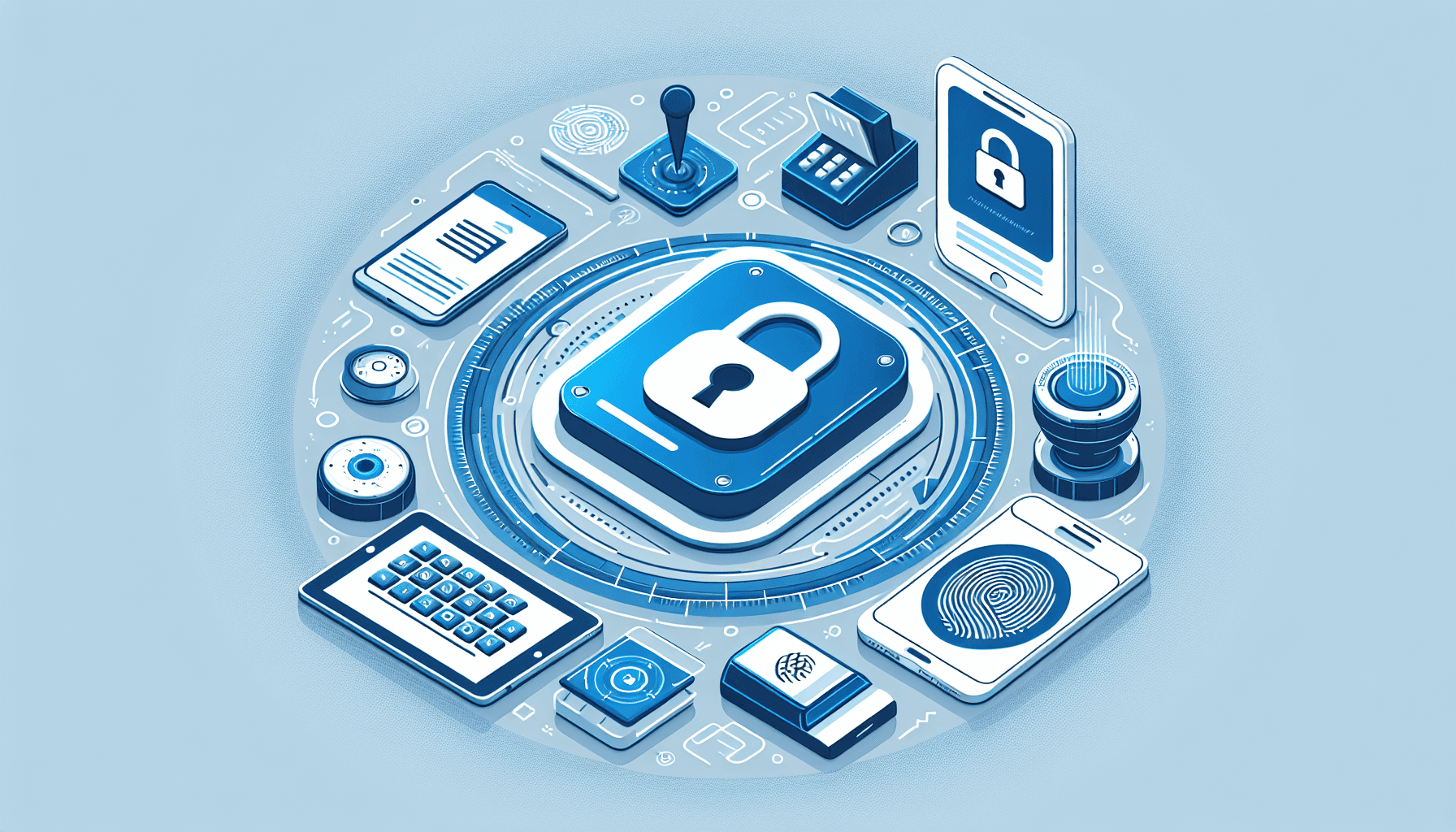
Understanding Access Control Systems
Access control systems are security measures that regulate who can enter or exit specific areas within a business environment. By defining and managing access rights, these systems help prevent unauthorized entry, ensuring that only those with the proper permissions can access sensitive areas. Access control is not just about securing doors; it's about creating a safe and efficient workplace.
The Importance of Preventing Unauthorized Entry
Unauthorized entry poses significant risks to businesses, including theft, data breaches, and potential harm to employees. By implementing effective access control systems, businesses can significantly reduce these risks. Access control also fosters a sense of security among employees and clients, which can enhance overall productivity.
Types of Access Control Systems
Access control systems come in various forms, each with unique features and benefits. Here, we compare some of the most popular methods:
1. Traditional Keys
Pros:
- Simple to use and widely understood
- No need for technology or power
Cons:
- Keys can be lost or stolen
- Difficulty in tracking who has access
Traditional keys are the most basic form of access control but come with significant drawbacks, such as the inability to easily track access and the risk of unauthorized duplication.
2. Swipe Cards
Pros:
- Easy to issue and manage
- Can be deactivated quickly if lost
Cons:
- Cards can be forgotten or lost
- Vulnerable to cloning if not properly secured
Swipe card access systems offer a more secure alternative to traditional keys. They can easily be programmed to grant or revoke access, providing better control over who can enter specific areas.
3. PIN Codes
Pros:
- Cost-effective and easy to implement
- No physical card needed
Cons:
- Codes can be shared or forgotten
- Susceptible to shoulder surfing
Using PIN codes for access control enables quick entry but may lead to security issues if codes are shared or observed by unauthorized individuals.
4. Mobile Access
Pros:
- Convenient and user-friendly
- Can be combined with other security measures
Cons:
- Relies on technology and battery power
- Risk of phone loss or theft
Mobile access systems allow users to unlock doors with their smartphones, providing a modern and convenient solution. However, businesses must ensure that devices are secure and that users understand how to manage their access.
5. Biometric Systems
Pros:
- Extremely secure, as they use unique physical traits
- Difficult to replicate or share
Cons:
- Higher initial investment and maintenance costs
- Potential privacy concerns
Biometric access control systems, such as fingerprint or facial recognition, offer the highest level of security by ensuring that only authorized individuals can gain entry. Though more expensive, their effectiveness makes them an attractive option for businesses handling sensitive information.
Benefits of Access Control Systems
Implementing an access control system provides numerous benefits for businesses, including:
Audit Trails
One of the significant advantages of modern access control systems is the ability to create detailed audit trails. These logs track entry and exit times, identifying who accessed specific areas and when. Such information is invaluable for investigating security breaches or ensuring compliance with security policies.
Restricted Access Zones
With access control systems, businesses can designate restricted areas that only certain personnel can enter. This allows for more stringent security measures in sensitive locations, such as server rooms or financial offices, enhancing overall security.
Easier Staff Management
Managing employee access has never been easier. Access control systems allow for quick adjustments to permissions as staff roles change. If an employee leaves the company, their access can be revoked instantly, ensuring that former employees cannot return to the premises.
Conclusion
Investing in an access control system is a proactive step toward enhancing your business's security. By understanding the various types of access control methods, you can choose the best fit for your organization. Not only do these systems prevent unauthorized entry, but they also offer benefits like audit trails, restricted zones, and streamlined staff management. As businesses continue to face evolving security challenges, access control systems will play a crucial role in safeguarding assets and ensuring a secure working environment.
Key Takeaways
- Access control systems regulate entry and enhance business security.
- Various types include traditional keys, swipe cards, PIN codes, mobile access, and biometrics.
- Benefits include audit trails, restricted access zones, and easier staff management.
Checklist for Implementing Access Control Systems
- Assess your business’s security needs.
- Choose the right type of access control system for your environment.
- Ensure systems are regularly updated and maintained.
- Train staff on security protocols and access control usage.
- Review access permissions regularly to keep them current.
FAQ
- What is the most secure type of access control system?
Biometric systems are considered the most secure due to their reliance on unique physical traits.
- How can I manage access for temporary employees?
Many access control systems allow for easy adjustments to permissions, enabling you to grant temporary access and revoke it quickly when no longer needed.
- Are access control systems expensive to implement?
Costs vary depending on the type of system and the level of sophistication. However, the investment often pays off through enhanced security and reduced risks.
Related Articles
HOW TO SECURE YOUR REMOTE WORK & HOME NETWORK | Cybersecurity Education for Employees Online
In today's digital age, securing your remote work and home network is crucial for protecting sensitive business information. This article pr...
How to Improve Workplace Security After Business Hours
After hours is when many businesses are most exposed to break-ins, vandalism and unauthorised access. Learn how stronger alarm systems, CCTV...
How to Prevent Tailgating and Unauthorised Access in Office Buildings
Tailgating poses a significant security threat in office environments. This article explores prevention strategies, including access control...