Ransomware attacks happening every day in UK, intelligence agents say | BBC News
Ransomware attacks are becoming a daily concern for businesses in Australia. This article explores the nature of these attacks, their implications, and actionable steps you can take to safeguard your organisation.
The Growing Threat of Ransomware
In the digital age, ransomware attacks are increasingly common, with reports indicating that intelligence agents in the UK are addressing at least one attack every day. Australian businesses are not immune to this threat, and understanding how ransomware works is crucial for remote work security.
What is Ransomware?
Ransomware is a type of malicious software (malware) that encrypts a victim's files, rendering them inaccessible. The attacker then demands a ransom, usually in cryptocurrency, to provide the decryption key. This form of cyber extortion can cripple businesses, disrupt operations, and lead to significant financial losses.
How Ransomware Attacks Work
Ransomware attacks typically occur through:
- Phishing Emails: Malicious links or attachments in emails designed to entice users to click.
- Vulnerable Software: Exploiting weaknesses in outdated software or applications.
- Remote Desktop Protocol (RDP): Gaining access through weak or compromised login credentials.
Once the ransomware infiltrates a system, it spreads quickly, encrypting files on local drives and networked systems.
The Impact on Australian Businesses
For Australian businesses, the implications of a ransomware attack can be devastating:
- Financial Loss: The ransom itself, alongside potential downtime and recovery costs.
- Reputational Damage: Loss of customer trust can have long-lasting effects.
- Legal Repercussions: Non-compliance with data protection regulations can lead to fines and legal action.
How to Protect Your Business
Here are some practical steps to reduce the risk of falling victim to ransomware:
#### 1. Regularly Update Software
Ensure that all software, operating systems, and applications are up to date. This helps close security vulnerabilities that ransomware could exploit.
#### 2. Implement Strong Password Policies
Encourage employees to use strong, unique passwords and enable two-factor authentication (2FA) where possible to enhance security.
#### 3. Conduct Employee Training
Regularly educate staff about the dangers of phishing, safe internet practices, and how to spot suspicious emails or links.
#### 4. Backup Data Regularly
Maintain regular backups of critical data on secure, offline storage. This ensures that, in the event of an attack, you can restore operations without paying the ransom.
#### 5. Use Security Software
Invest in reputable security software that includes anti-ransomware capabilities, firewalls, and intrusion detection systems.
Checklist for Ransomware Prevention
- [ ] Update all software regularly.
- [ ] Implement strong password policies and 2FA.
- [ ] Conduct cybersecurity training for all employees.
- [ ] Schedule regular data backups.
- [ ] Invest in comprehensive security software.
FAQs on Ransomware Attacks
Q: What should I do if I become a victim of a ransomware attack?
A: Isolate the infected systems, report the incident to authorities, and assess your backup options before considering paying the ransom.
Q: Can paying the ransom guarantee that I will get my files back?
A: No, there’s no guarantee that paying the ransom will result in the recovery of your files. It may also encourage further attacks.
Q: How can I identify a phishing email?
A: Look for unusual sender addresses, poor grammar, or unexpected attachments. When in doubt, verify the sender through a separate communication channel.
Conclusion
Ransomware attacks are a significant risk for businesses operating in Australia, especially in a remote work environment. By understanding the nature of these threats and implementing proactive security measures, you can better protect your organisation from becoming a victim. Remember, security is not just an IT issue; it’s a collective responsibility that involves every employee in your business.
With the right protocols in place, you can mitigate risks and ensure a safer digital workspace for all.
Filed under
Remote Work Security →Staying secure when working from home, coffee shops, or hybrid environments.
Related Articles
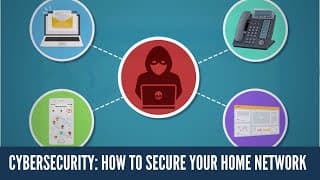
HOW TO SECURE YOUR REMOTE WORK & HOME NETWORK | Cybersecurity Education for Employees Online
In today's digital age, securing your remote work and home network is crucial for protecting sensitive business information. This article pr...
Security Tips for Remote and Hybrid Workers
Working from home or a coffee shop introduces security risks that the office environment controls for. Here is how to stay secure wherever y...