The Slow Leak: Why Our Physical Security Keeps Failing
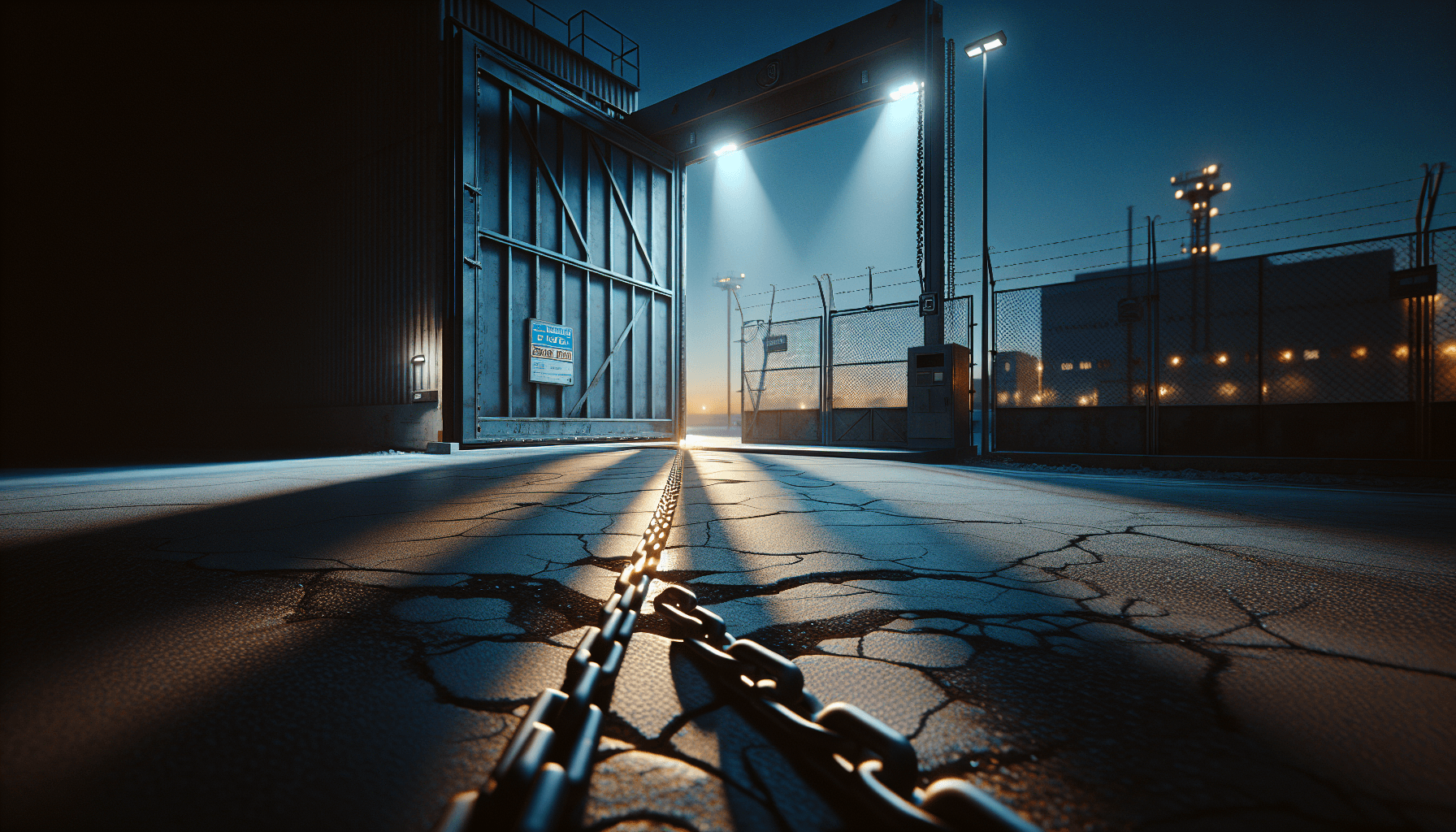
“Physical security rarely collapses in a single, dramatic event. It’s more like a slow leak. A drip, drip, drip of small compromises that, over time, hollow out even the most robust defenses. That gate propped open for a delivery, the badge waved through without a proper check, a camera feed that’s been dead for a week and nobody’s noticed. Each instance, on its own, feels minor. But they add up. And in most sites, that chain has more weak links than the paperwork suggests.”
Why Our Physical Security Keeps Failing
After years in this game, I can tell you one thing for certain: physical security rarely collapses in a single, dramatic event. It’s more like a slow leak. A drip, drip, drip of small compromises that, over time, hollow out even the most robust defenses. That gate propped open for a delivery, the badge waved through without a proper check, a camera feed that’s been dead for a week and nobody’s noticed. Each instance, on its own, feels minor. But they add up. And in most sites, that chain has more weak links than the paperwork suggests.
I’ve walked countless facilities, supposedly hardened, where the biggest threat wasn’t some external mastermind, but the quiet erosion of discipline from within. It’s not always a lack of controls; it’s the daily grind wearing down their integrity. Your state-of-the-art access system, your high-res cameras—they’re only as good as the people operating them, and the processes supporting them. And those processes are often where things truly fall apart.
The Perimeter: More Than Just a Fence Line
Clients often assume their perimeter is secure because, well, there’s a fence, or a locked door. But the real question isn’t whether the control exists; it’s whether it’s actually working the way you think it is. I remember an audit at a large manufacturing plant in rural Ohio. They had a perfectly good fence, but a rarely used service road gate was consistently left unsecured by a night shift supervisor who found it inconvenient to lock and unlock it for late deliveries. The thieves didn’t scale the fence; they just drove right in. This isn’t an isolated incident; it’s a pattern I see repeated across industries: convenience consistently trumps security until an incident forces a change.
Access control is fundamental. Cards, fobs, biometrics—they all aim to ensure only authorized individuals enter specific areas. Yet, the challenge lies in managing that access dynamically. The U.S. Bureau of Labor Statistics reported 524 workplace violence fatalities in 2022. Not every case is an access-control failure, but the number is a reminder that physical security is about people as much as property. Where many organizations stumble is in their ongoing access management. Credentials are issued, but rarely reviewed. Roles change, but permissions don’t. Contractors retain access long after their projects conclude. These aren’t technical glitches; they’re process failures. If you’re only conducting annual access reviews, you’re not managing risk; you’re documenting it after the fact. Access should expire by default. Period. Make people justify keeping it, not the other way around. It’s a headache, yes, but it’s a necessary one.
Surveillance: Recording, Not Always Preventing
Everyone wants cameras. They’re often the first thing clients ask for. But most organizations treat CCTV like a magic bullet: install it, and you’re done. That’s a dangerous illusion. I’ve seen setups where the camera coverage looked perfect on paper, but on the ground, there were blind spots big enough to hide a small car. Cameras pointed at the ceiling, cameras offline for weeks with no alert, cameras obscured by new equipment. I recall a situation at a regional logistics hub where losses were mounting. The client was convinced it was external theft. My review found their most expensive items were disappearing from a specific staging area, right between two cameras that were supposed to overlap. The issue wasn’t the cameras themselves, but a lack of proper commissioning and ongoing verification. The system was installed, but nobody had verified whether it still matched the way the site actually operated.
And even when they are working, who’s watching? I’ve sat in control rooms where alerts are constant, but the operators are so desensitized, or so understaffed, that they just clear them without a second thought. Footage gets recorded, but it’s only reviewed after something goes wrong. That’s not security; that’s an expensive incident recorder. Surveillance only works if you’re actively monitoring, regularly testing, and constantly refining your coverage based on what’s actually happening on the ground, not just what the blueprint says. If you’re not doing that, you’re just buying yourself a false sense of security.
The Insider: The Most Overlooked Threat
This is the uncomfortable truth: the easiest way to compromise a security system is usually through someone who already has the keys. Insider risk isn’t always some disgruntled employee with a vendetta. More often, it’s carelessness, a lapse in judgment, or someone doing something slightly outside their role that no one questions because it’s “just Bob from accounting.”
IBM’s breach reporting has repeatedly pointed to the same problem: trusted access can become a weakness, whether through intent, carelessness, or poor oversight. The numbers fluctuate, but the pattern is clear. I remember a case at a mid-sized law firm. A paralegal, with legitimate access to sensitive client documents, was slowly siphoning off data for months. No alarms, no forced entry, no technical breach. Everything looked normal. The failure wasn’t technical; it was contextual. Nobody asked why a paralegal in that specific role needed access to that much historical client data. Nobody challenged the behavior because it didn’t trigger a pre-programmed rule. Your systems check permissions; they don’t check common sense. That’s where your people come in. If your culture doesn’t encourage questioning unusual behavior, even subtle shifts, those gaps stay wide open. And most of the time, the behavior isn’t dramatic; it’s just… a little off. And that’s all it takes.
Beyond the Human Element: Environmental and Infrastructure Risks
Most organizations push environmental risks—fire, flood, power outages, extreme weather—into the “facilities” bucket and forget about them. Until the lights go out. Physical security isn’t just about stopping people; it’s about keeping operations running when conditions change. I’ve seen sites with robust access control systems that completely failed during a localized power outage, leaving critical areas exposed. Nobody had truly thought through the real-world implications of a power failure on their security posture. It wasn’t a technical flaw; it was a planning void.
Safe Work Australia and other agencies have made the point clearly enough: environmental risk is no longer background noise. You don’t need a hurricane; a sustained heatwave can cook your server room, or a burst pipe can flood your comms closet. If your security systems rely on power, network, or cooling, you need to know, in excruciating detail, what happens when those fail. Not in theory, not in a PowerPoint slide, but in the messy, inconvenient reality of a Tuesday afternoon. If your CCTV goes dark, what’s your immediate, on-the-ground backup? If your access control is dead, how do you secure the building? These aren’t just facilities problems; they’re security problems, and ignoring them is willful negligence.
Leadership: The Ultimate Security Control
Here’s the bottom line: your security program will only ever be as strong as your leadership’s commitment to it. If the C-suite sees security as a necessary evil, a cost to be minimized, then it will always be reactive. You’ll be patching holes after the fact, scrambling to respond to incidents that could have been prevented. But if security is treated as part of how the business actually runs, it becomes preventative. That shift changes everything: how quickly issues get fixed, whether employees take controls seriously, whether gaps are reported or swept under the rug. Security teams can design brilliant systems, but they can’t force people to care. And if the tone isn’t set from the top, if it’s not reinforced daily, then the whole thing just drifts. And when it drifts, you’re exposed.
The Hard Truth
Most physical security failures aren’t complex. They’re predictable. They’re the result of small, consistent compromises that, over time, become normalized. And once something becomes “normal,” it stops being questioned—even when it absolutely should be. That’s where the real risk lives. It’s not in the shadows; it’s in plain sight, in the everyday habits we let slide. And until we confront that, we’ll keep seeing the same failures, just with different names and different price tags.
Related Articles

What Is Social Engineering? And Why It Still Works
Social engineering doesn’t break systems—it exploits people. Learn how tactics like phishing, impersonation, and tailgating work, and what y...

Workplace Awareness: The Difference Between Functioning and Failing Quietly
Most workplace failures don’t start with major incidents—they build quietly through missed cues and unchecked assumptions. Workplace awarene...
The Hidden Dangers of Public Wi-Fi for Remote Workers
Public Wi-Fi may seem convenient, but it poses significant risks to remote workers. This article explores potential threats and actionable s...