Understanding Tailgating
Tailgating often looks like ordinary politeness, but one unchecked entry can expose a workplace to theft, safety risks, and sensitive information breaches.
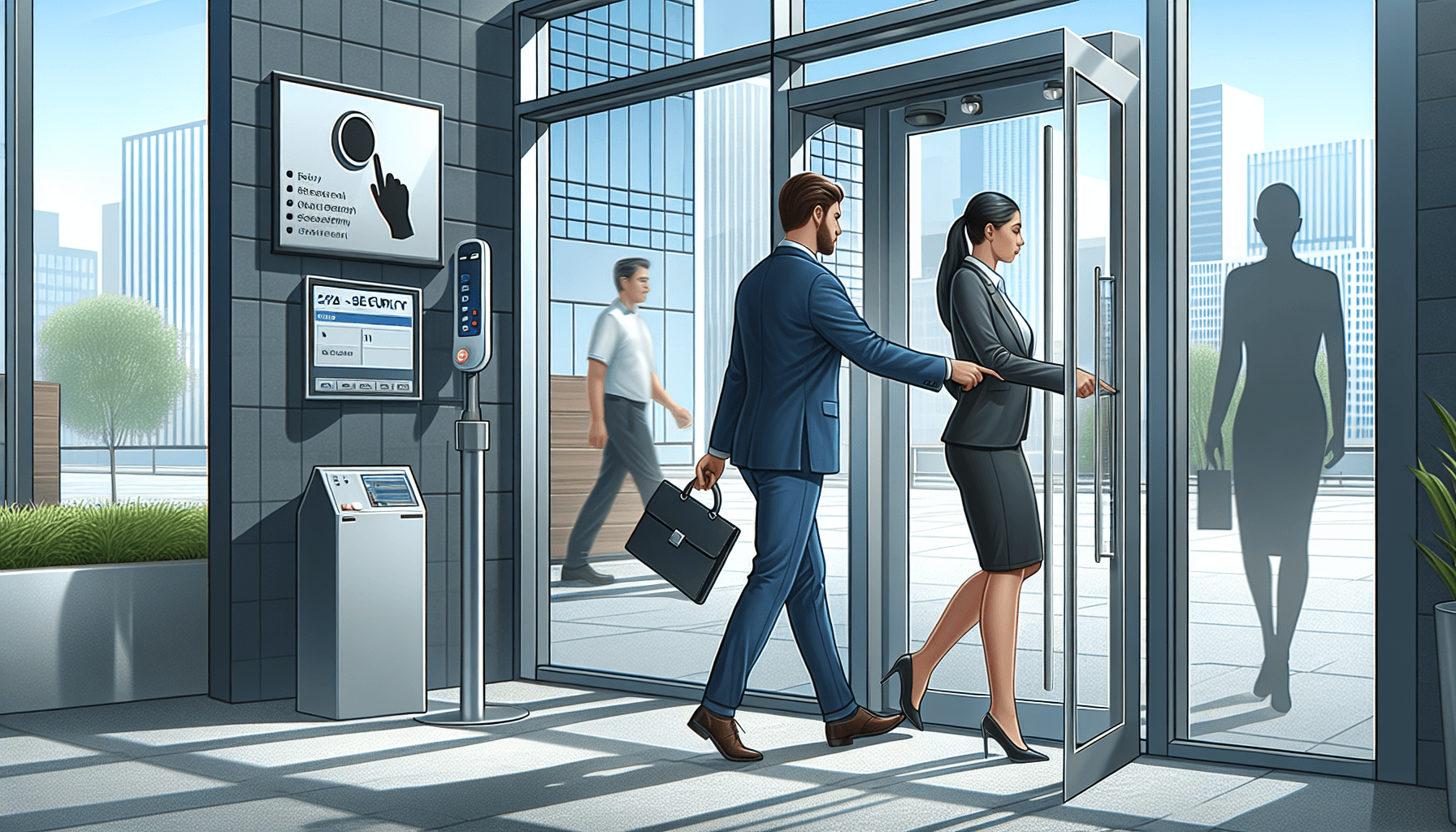
Understanding Tailgating
Most people don’t think twice about holding a door open.
That’s exactly why tailgating works.
An unauthorised person doesn’t need to hack a system or break a lock—they just need someone to be polite, distracted, or in a hurry. One moment of convenience, and they’re inside your workplace with the same access as your staff.
It doesn’t look like a security breach. It looks like normal behaviour. That’s what makes it dangerous.
Why Tailgating Matters More Than People Think
Tailgating rarely feels urgent until something goes wrong.
An unfamiliar person walks in behind an employee. No one challenges them. No one asks questions. They move through the building unnoticed.
By the time anyone realises something is off, it’s already too late.
What happens next depends on intent:
Equipment disappears without explanation
Sensitive documents are accessed or photographed
Someone reaches an area they were never meant to enter
In worst cases, staff safety is put at risk
There have been real incidents where a single tailgating event led to a full data breach. Not because the systems failed—but because the front door wasn’t controlled.
That’s the uncomfortable part: most organisations don’t have a technology problem here. They have an awareness problem.
What Actually Stops Tailgating
You don’t solve tailgating with one control. You reduce it by tightening multiple weak points at once.
Control the front door properly
If visitors can walk in without being noticed, you’ve already lost control.
A simple sign-in process creates accountability. It forces a pause. It makes people visible.
Badges matter too. Not as decoration—but as a signal. If someone isn’t wearing one, it should stand out immediately.
Make access intentional
Doors should not open just because someone is nearby.
Key cards, fobs, or biometrics force a decision point. They create a clear boundary between authorised and unauthorised access.
If one person scans in and three walk through, that’s not access control—it’s a gap.
Train people to notice behaviour, not just follow rules
Most employees won’t challenge someone because they don’t want to be wrong.
So they default to doing nothing.
That’s where awareness training matters—but only if it’s practical.
People need to recognise:
Someone hovering near entry points
Someone avoiding reception
Someone who “looks like they belong” but doesn’t interact like they do
You’re not turning staff into security guards. You’re teaching them to trust when something feels off.
Fix reception, don’t just staff it
Reception is often treated as admin. It’s actually a control point.
If someone can walk past reception without being engaged, the process isn’t working.
Reception staff should:
Acknowledge every person entering
Ask direct questions when needed
Ensure visitors are either signed in or redirected
Passive reception setups create silent failures.
Use CCTV properly
Cameras don’t stop tailgating by themselves.
But they do two important things:
Deter obvious attempts
Give you evidence when something goes wrong
The key is placement. Entry points, corridors, and transition areas—not just wide open spaces.
Back it up with response
If someone does get through, what happens next?
Most organisations don’t think this far ahead.
Alarms, alerts, or even staff escalation procedures need to exist—and people need to know how to use them.
Otherwise, detection doesn’t lead to action.
What You Should Do Immediately
If you want to reduce your exposure quickly, start here:
Make visitors sign in and wear visible identification
Ensure access points require deliberate entry (cards, fobs, etc.)
Run a short staff briefing on tailgating awareness
Test your reception process—don’t assume it works
Check camera coverage at entry points
Confirm alarms and alerts actually trigger and are monitored
Increase visible security presence during key periods
None of this is complex. But it only works if it’s consistent.
Final Thought
Tailgating isn’t a technical failure.
It’s a behavioural one.
And if your environment makes it easy for people to look the other way, it will keep happening—quietly, repeatedly, and unnoticed—until it doesn’t.
Filed under
Physical Security →Protecting buildings, offices, and physical assets from unauthorised access, tailgating, and impersonation.
Related Articles

What Does A Reception Security Guard Do?
Reception security guards play a crucial role in safeguarding businesses. This article explores their responsibilities, the importance of th...

Top 10 Risks to Warehouses in 2023
Warehouses are prime targets for criminal activity, facing various physical security risks. This article discusses the top 10 risks in 2023...

How to Conduct a Physical Security Risk Assessment for Your Business
A physical security risk assessment is essential for protecting your business from potential threats. This guide walks you through a compreh...