Why Understanding Human Behaviour Is the Missing Piece in Most Security Strategies
Technology alone won’t keep you secure. After 15 years in security, I’ve learned that the biggest vulnerabilities — and the strongest defences — come down to how people actually think and behave. Here’s what really matters.
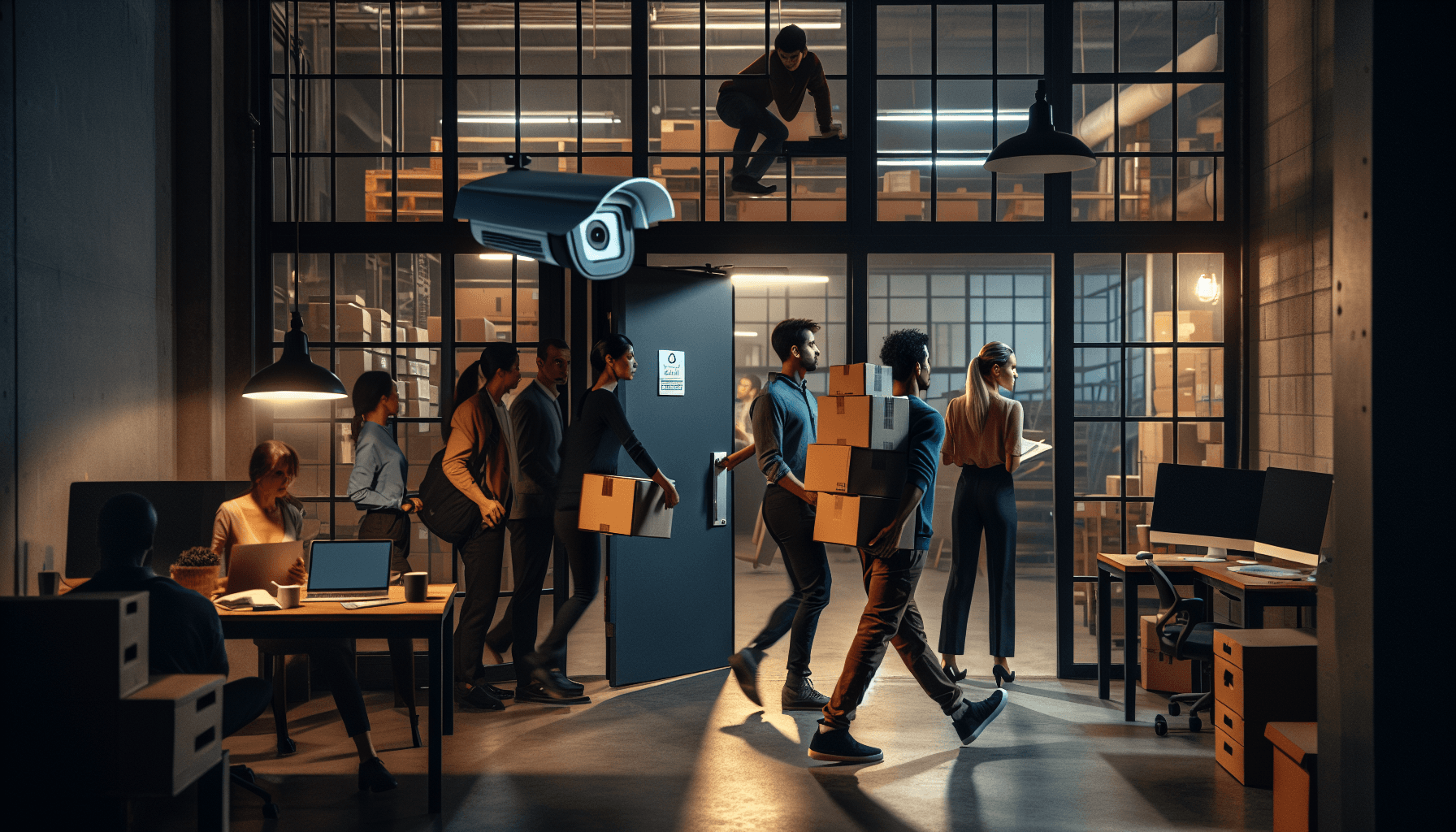
You can install the best cameras, the strongest fences, and the most advanced access control systems in the world, but if you don’t understand how people actually behave, you’re still building on sand.
I’ve spent more than fifteen years working in security across Sydney — control rooms, site audits, incident investigations, and training staff. Time and again, the same pattern emerges: the technology works fine on paper, but humans find ways around it, ignore it, or misuse it. The organisations that get security right don’t just throw more tech at the problem. They learn to work with human nature rather than against it.
We Are Predictably Irrational
Humans are creatures of habit and convenience. We take shortcuts. We hate friction. We convince ourselves that “it won’t happen to me.”
I’ve lost count of the number of times I’ve seen staff prop open a secure door with a fire extinguisher because carrying their access card back and forth was annoying. Or disable an alarm because the constant beeping during stocktake was “driving everyone mad.” These aren’t malicious acts — they’re normal human responses to inconvenience.
One warehouse I audited had a beautiful new electronic gate system. Expensive, high-tech, and completely undermined because the drivers learned they could tailgate the truck in front if they timed it right. No one wanted to be the person holding up the queue, so the system became largely decorative.
The Power of Complacency
Nothing kills security faster than months without an incident.
When nothing bad has happened for a while, people naturally relax. Procedures get skipped. Cameras stop being checked. Patrols become walkthroughs. “We’ve never had a problem here” is one of the most dangerous sentences I hear during site assessments.
I once responded to a break-in at a small manufacturing business that had gone three years without any security issues. Their CCTV was working, the perimeter fence was intact, but the night shift had gradually stopped doing proper lock-up checks because “nothing ever happens.” One quiet evening, someone walked straight through an unlocked roller door and helped themselves to thousands of dollars in tools.
Why People Ignore Alarms and Warnings
Alert fatigue is real. If your system cries wolf too often, people stop listening.
I’ve sat in control rooms where motion sensors along the fence line triggered dozens of times per shift — trucks, birds, wind, stray cats. After a few weeks, operators barely glance at the monitors anymore. When a real intruder finally appears, the response is sluggish or nonexistent.
The same thing happens with phishing emails and security warnings. Bombarded with too many “urgent” alerts, staff start treating everything as background noise.
Social Proof and Authority Bias
Humans are heavily influenced by what others around them are doing.
If everyone else is leaving their laptop unlocked or sharing passwords “just this once,” new staff quickly adopt the same behaviour. Conversely, when senior managers visibly follow security rules, it sends a much stronger signal than any policy document ever could.
I’ve seen this play out dramatically during access control audits. In one office, the CEO regularly tailgated staff through secure doors because he was always in a hurry. Within weeks, the entire building stopped bothering to badge in properly. The behaviour trickled down from the top.
Turning Human Behaviour Into Your Advantage
The good news is that once you understand these patterns, you can design systems and processes that work with human nature instead of fighting it.
Here are the practical lessons I’ve learned over the years:
• Reduce friction where it matters least. Make the secure option the easy option. Heavy doors that slam shut? Add automatic closers. Need to carry items through? Consider mantraps or airlocks designed for workflow rather than against it.
• Make compliance visible and social. When people see their colleagues doing the right thing, they’re far more likely to follow. Recognition programs, simple leaderboards, or even friendly competition between teams can shift behaviour surprisingly well.
• Use nudges instead of rules. Small environmental cues work better than long policy documents. Clear signage, well-placed mirrors to eliminate blind spots, colour-coded zones, and default-secure settings all help guide behaviour without constant enforcement.
• Test realistically. Run drills that mimic real human behaviour under pressure — not just perfect textbook scenarios. Watch where people cut corners and adjust accordingly.
• Build genuine understanding. Short, story-based training sessions using real incidents (anonymised) from your own industry land much better than generic compliance videos. People remember stories and relate to them.
• Lead from the front. When leaders bypass security for convenience, they give everyone else permission to do the same. Consistent modelling at the top changes culture faster than any memo.
The Bottom Line
Security isn’t primarily a technology problem — it’s a human behaviour problem.
The strongest security programs I’ve seen treat people as the solution rather than the weakest link. They design systems that account for our laziness, our desire for convenience, our tendency to become complacent, and our social nature.
Technology still matters, of course. But without understanding how real humans think, react, and make decisions under pressure, even the best systems will eventually fail.
Next time you’re reviewing your security setup, don’t just ask “What new gadget should we buy?” Ask instead: “How will actual people interact with this system day after day?”
Because at the end of the day, your cameras, fences, and alarms are only as good as the humans who use — or ignore — them.
And the organisations that truly get this aren’t just more secure. They’re building a culture where good security becomes the natural way of doing things.
Filed under
Human Behaviour →