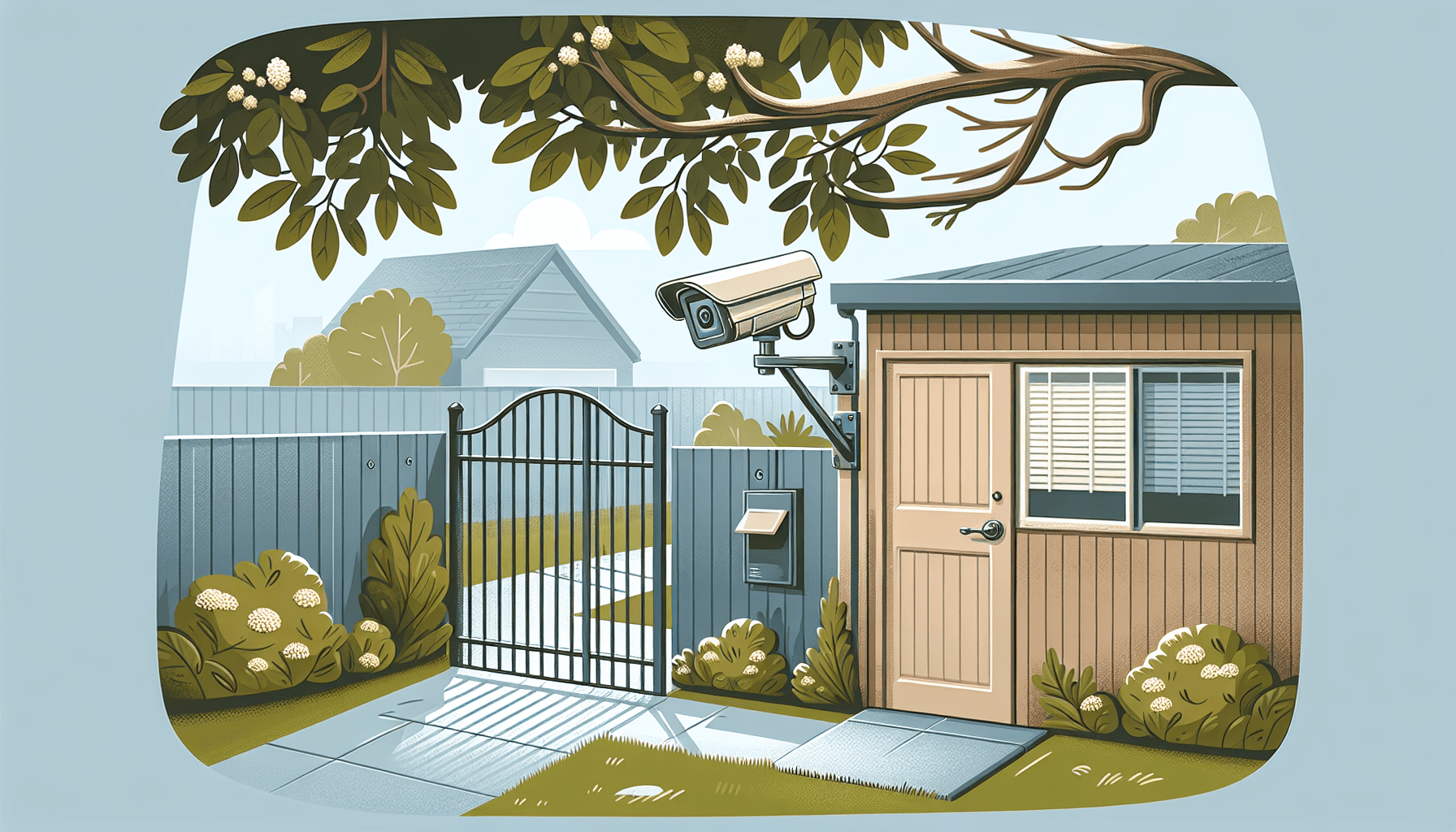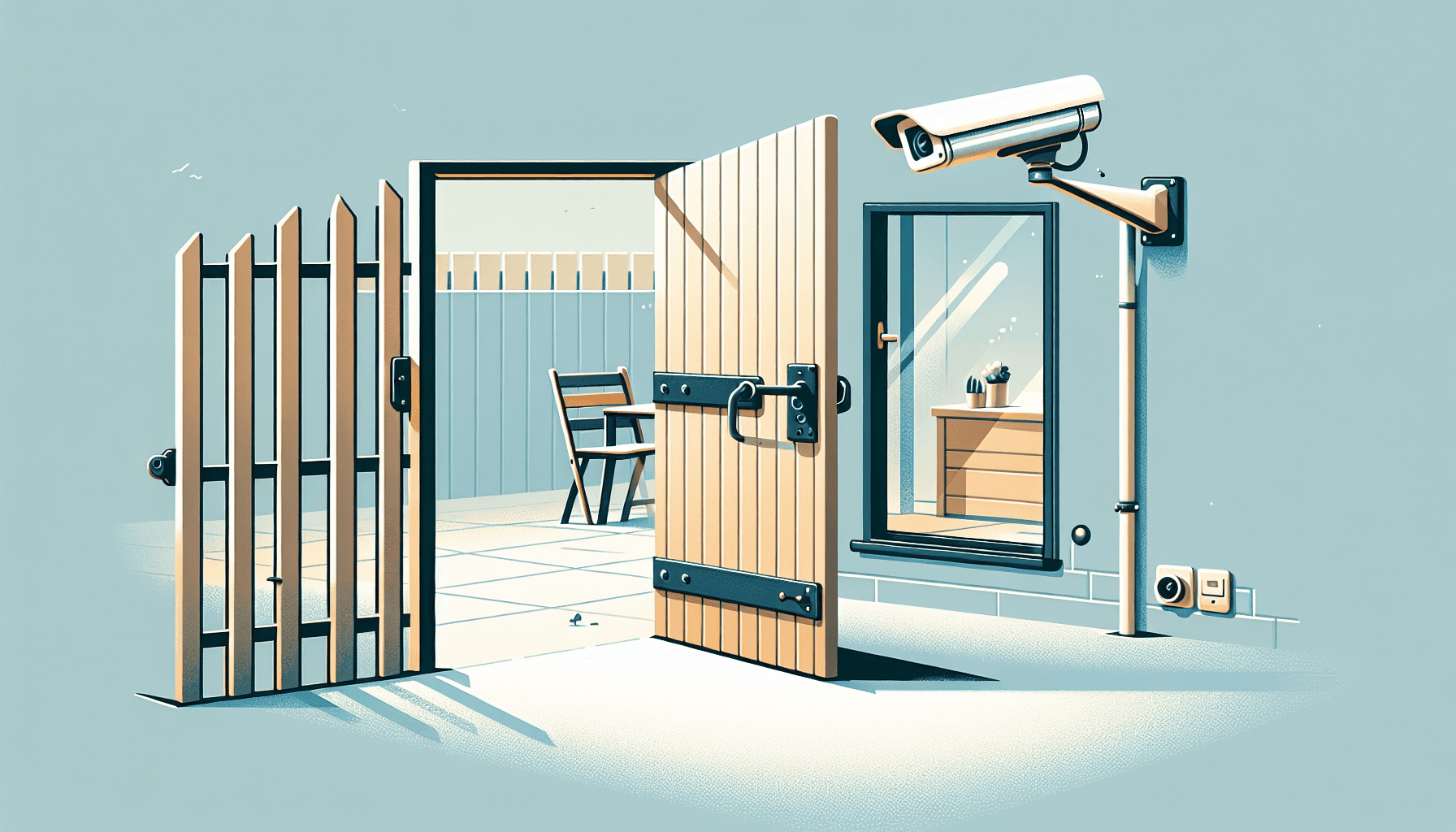
The first place I check on most residential properties isn’t the front door or the alarm panel. I start with the side gate. It’s where security quietly fails more often than you’d guess. When I turn up, I often find the gate either unlatched or latched so weakly a firm push or lift opens it. Sometimes the latch is old, rusted, or loose—screws so short they barely grab the wood. This gives anyone who happens to be walking past a quick opening into the backyard, which is rarely under camera watch or alarm coverage.
This side gate usually leads to a backyard that’s more vulnerable than the street-facing front. Once inside, the back or sliding door becomes the next checkpoint, and it’s often just as easy to slip through. Those sliding doors sometimes don’t fully lock or have worn rollers that let you lift the door out of its frame if there’s no anti-lift device installed. I’ve seen catches fail because they’re flimsy or the door frame has gaps that let the door wiggle.
Deadbolts on back doors often look solid but have strike plates fixed with short screws that don’t reach into the stud behind the frame. That means a decent shove can split the frame and force the door open. Also common is a door that’s just shut but not locked, relying on the latch alone, which a quick shove or a credit card slipped in the gap can pop open if the latch is a spring type. The difference between a locked door and one just closed is huge but often overlooked.
I’ve also noted the presence of hidden keys. Homeowners like to keep a spare key under the mat or in a fake rock. These are immediate giveaways if someone is casing the place. A quick tap on the gate or back fence and a glance at the usual hiding spots will tell them exactly how to get in without forcing anything.
Cameras can help, but they often miss these spots. A camera at the front door won’t catch the side gate if it’s around the corner. Cameras overlooking the backyard sometimes point too high or focus on the house, not the fence or gate. Dirty lenses, dead backup batteries, or full storage mean footage isn’t recorded or accessible when you need it most. Notifications from the alarm or camera apps can be disabled or ignored, especially if they’re too frequent or show false alerts. Over time, this reduces their effectiveness.
Routine maintenance plays a bigger role than many realise. A gate that worked fine last year might have rusted hinges, sagged so it no longer closes properly, or a latch that has loosened with repeated use. Alarm sensors on sliding doors can become misaligned, meaning the system won’t detect if the door opens. Yet, these small maintenance issues get passed over because they don’t seem urgent until they fail at the worst moment.
Household routines also affect security. A gate left unlatched because “the kids come and go” or “the gardener needs access” effectively invites anyone to slip inside. An alarm system left disarmed out of habit or cameras that aren’t checked regularly become window dressing rather than active deterrents. The problem is not just what security devices you have but how they are used and maintained daily.
This side gate and back door pathway is where many break-ins quietly start. It’s rarely stormed with high-tech tools or forced with brute strength. Instead, it’s about small gaps—an unlatched gate, a weak lock, a door slightly ajar—that add up. Once inside, the rest of the security system can be bypassed if it’s not actively monitored or maintained.
A quick walk around the property usually shows the problem. The gate latch that won’t hold, the door frame that’s worn, the camera that’s not looking where you think it is. These are the practical weak spots that matter far more than expensive gadgets or complex alarm panels that sit silent and unchecked.