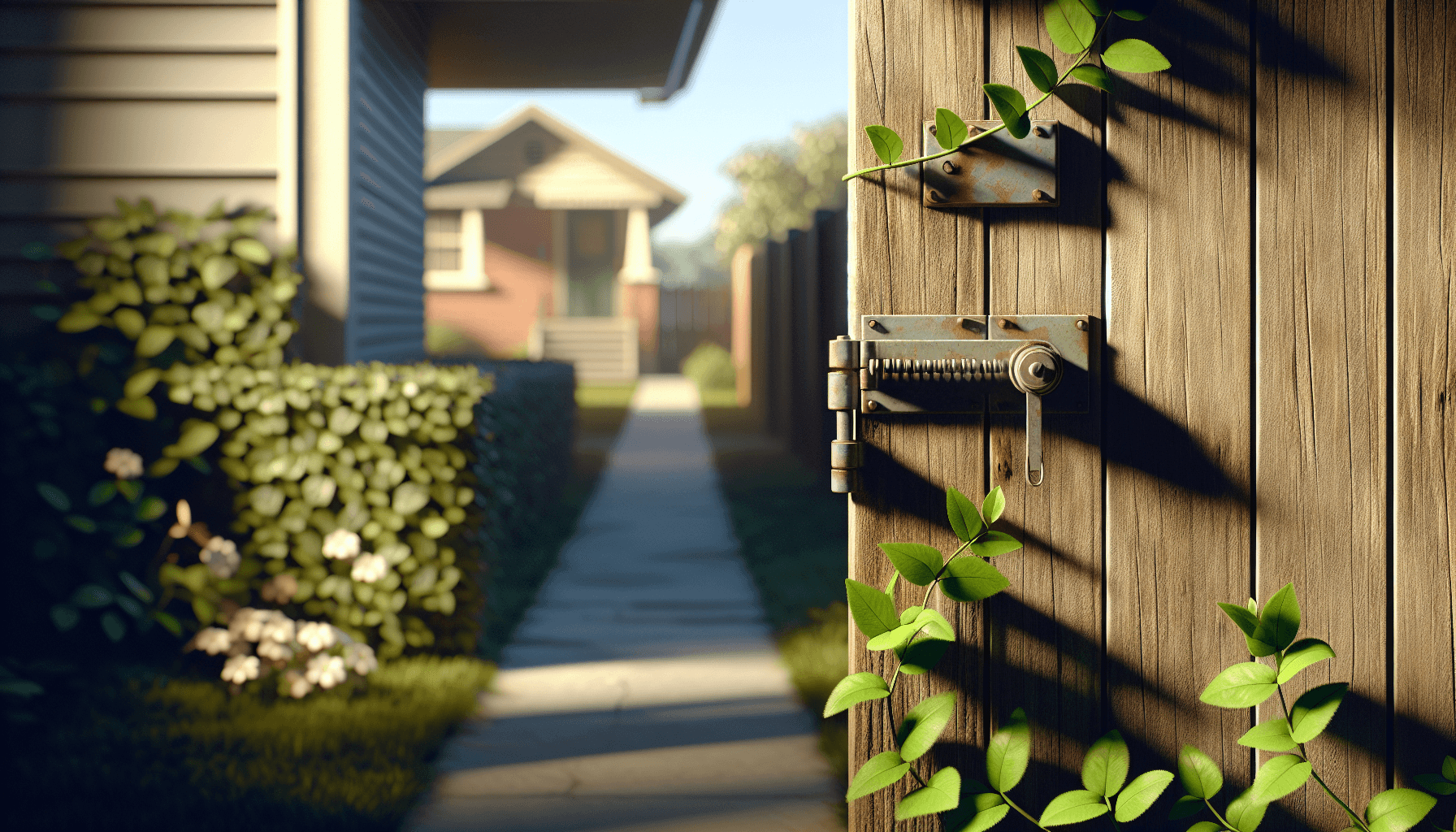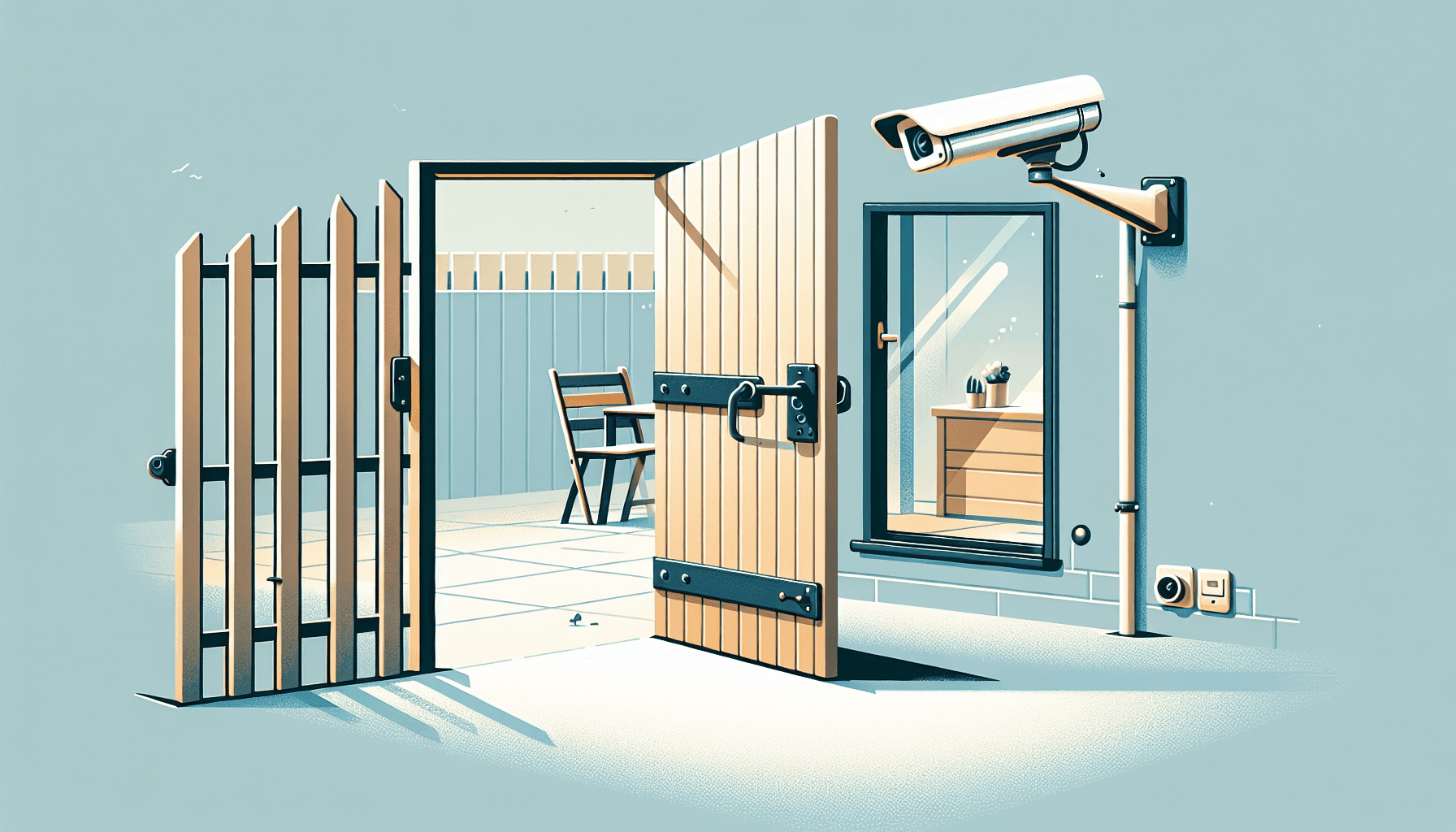
The first thing I usually check on a residential job is not the alarm panel. It is the side gate. More often than not, this gate is either unlatched, has a weak latch, or the strike plate screws are embarrassingly short—less than 20 millimetres, sometimes just the thin sheet metal ones that come with cheap hardware kits. It’s surprising how many times that gate can be pushed open with a little effort, even when it looks locked at a glance.
Once someone gets through the gate, they’re onto the backyard, which is usually less visible from the street and gives plenty of cover. That’s where I shift my focus to the rear sliding door or back access point. Sliding doors seem like a simple feature, but they often turn out to be one of the easiest ways inside. The rollers get worn, the door track gets clogged with dirt, or the locks are just the basic latch type that can be slipped open with a credit card or a piece of plastic if the door isn’t fully locked down with the top or bottom security bars.
In some houses I check, that back door is simply shut but not locked properly. Sometimes the lock is engaged, but the strike plate on the frame is installed with short screws, which means a moderate shove can pop the door loose. Even if a deadbolt is present, it’s often the case that it only goes into a thin metal or wooden frame with minimal reinforcement, so it’s more a token obstacle than a real barrier.
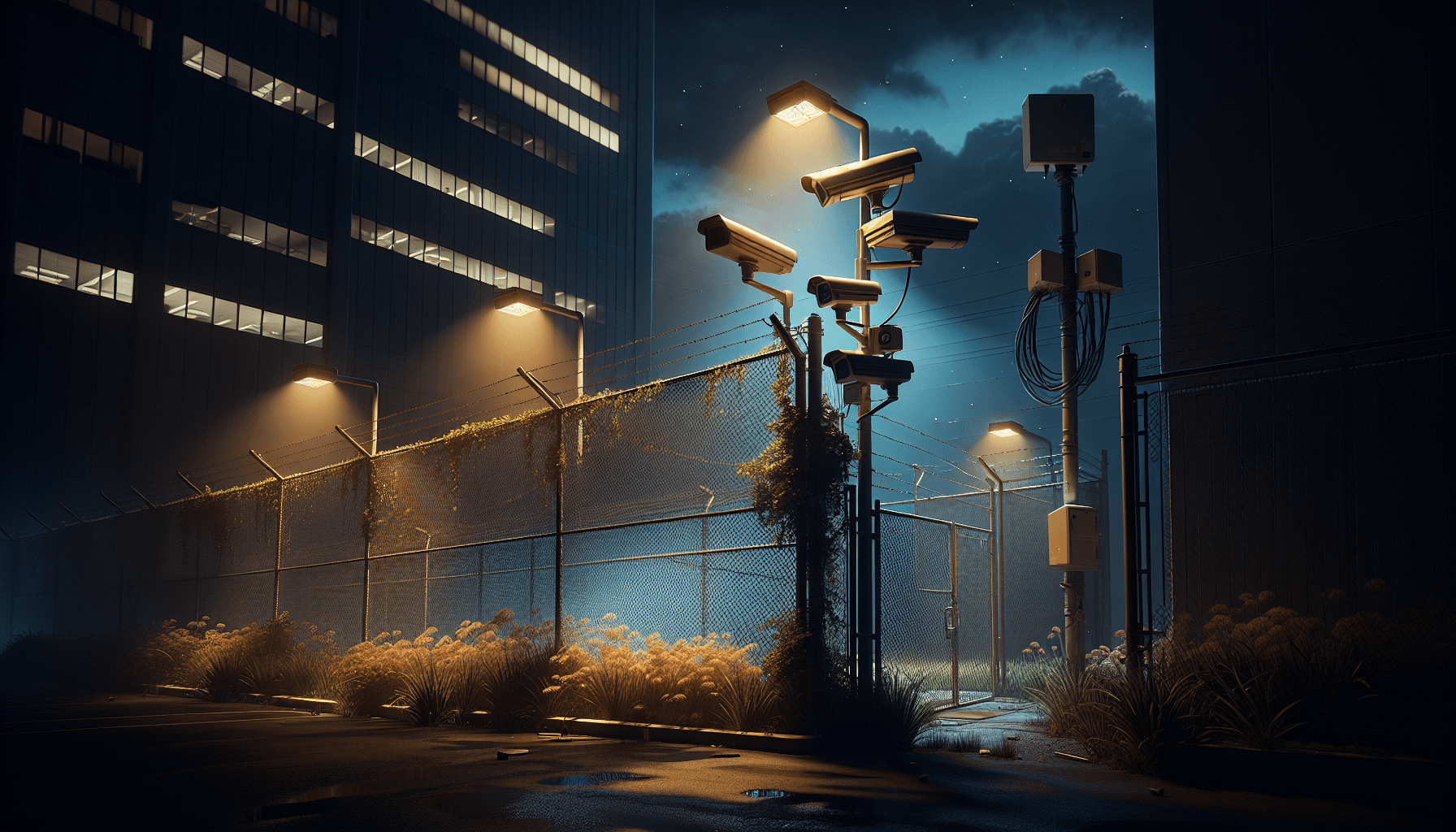
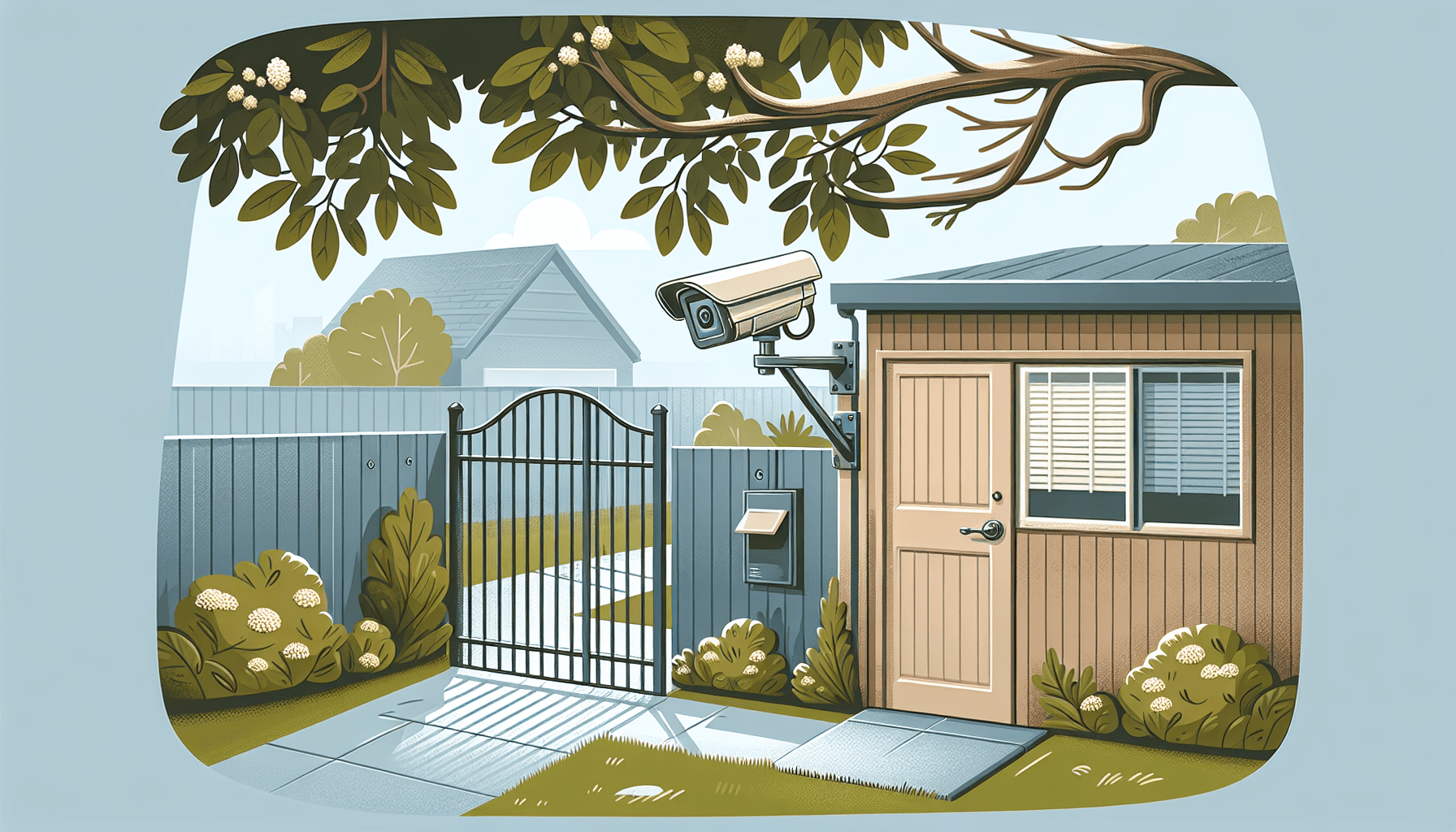
After the door, the question is whether the cameras or alarm sensors actually cover that area reliably. Too often the rear camera’s view is blocked by a tree branch, a hanging plant pot, or it’s aimed at the neighbours’ fence instead of the gate or door. Sometimes the camera system is set up to record only when it detects motion, but the sensors are poorly adjusted, so small movements like a cat or blowing leaves don’t trigger recording. I’ve walked into homes where the alarm panel’s backup battery was dead and nobody noticed for months, or the app notifications were turned off because the alerts were too frequent and annoying.
Hidden keys around the yard are another weak spot I see routinely. They’re tucked under flower pots, fake rocks, or loose bricks near the back door. It might seem convenient for family or emergency access, but it’s an open invitation. If someone makes it through the side gate, those keys are often the easiest way in without force.
What ties this all together is the household habit and maintenance. How often is that back gate actually closed and latched? Does the family lock the rear door every night, or just shut it? Are the alarm batteries checked regularly, or does the system sit quietly until it fails? I’ve found security systems with full coverage maps and good hardware, but the gate left propped open, the door unlocked because “the kids are inside,” and the alarm disabled during gardening.
The risks come from these small, routine slips rather than a one-off big failure. The side gate left unlatched is the first crack, the back door unlocked is the second, and the alarm system that’s ignored or misconfigured is the third. Each on its own might not be enough to let someone in, but stacked together they create a clear path.
If you want to check your own place, start with the gate. Try pushing it firmly—if it opens or moves easily, that’s a problem. Look at the screws on the latch strike plate; if they look like short ones that won't reach the frame behind, consider upgrading. Then test the back door by closing it and trying to slide it open without unlocking. Check if the lock throws fully and if there’s a secondary security bar or deadbolt. Finally, look at your cameras and alarms from the perspective of someone standing in the backyard. Does the camera lens have a clear view? Are alarm notifications actually getting to your phone? If the system is silent and nobody checks the footage or battery status regularly, it’s as good as no system.
This isn’t about fancy locks or expensive cameras. It’s about the small gaps you can find on a quick walk around your property—the loose gate, the unlatched door, the blind spot camera, or the hidden key. Those are the weaknesses that opportunistic people look for first, and if they find one, the rest of your security doesn’t matter much.