Why Security Systems Fail During Routine, Not Crisis
Security systems often fail not in a crisis but during routine moments. Understanding this can help reinforce security practices.
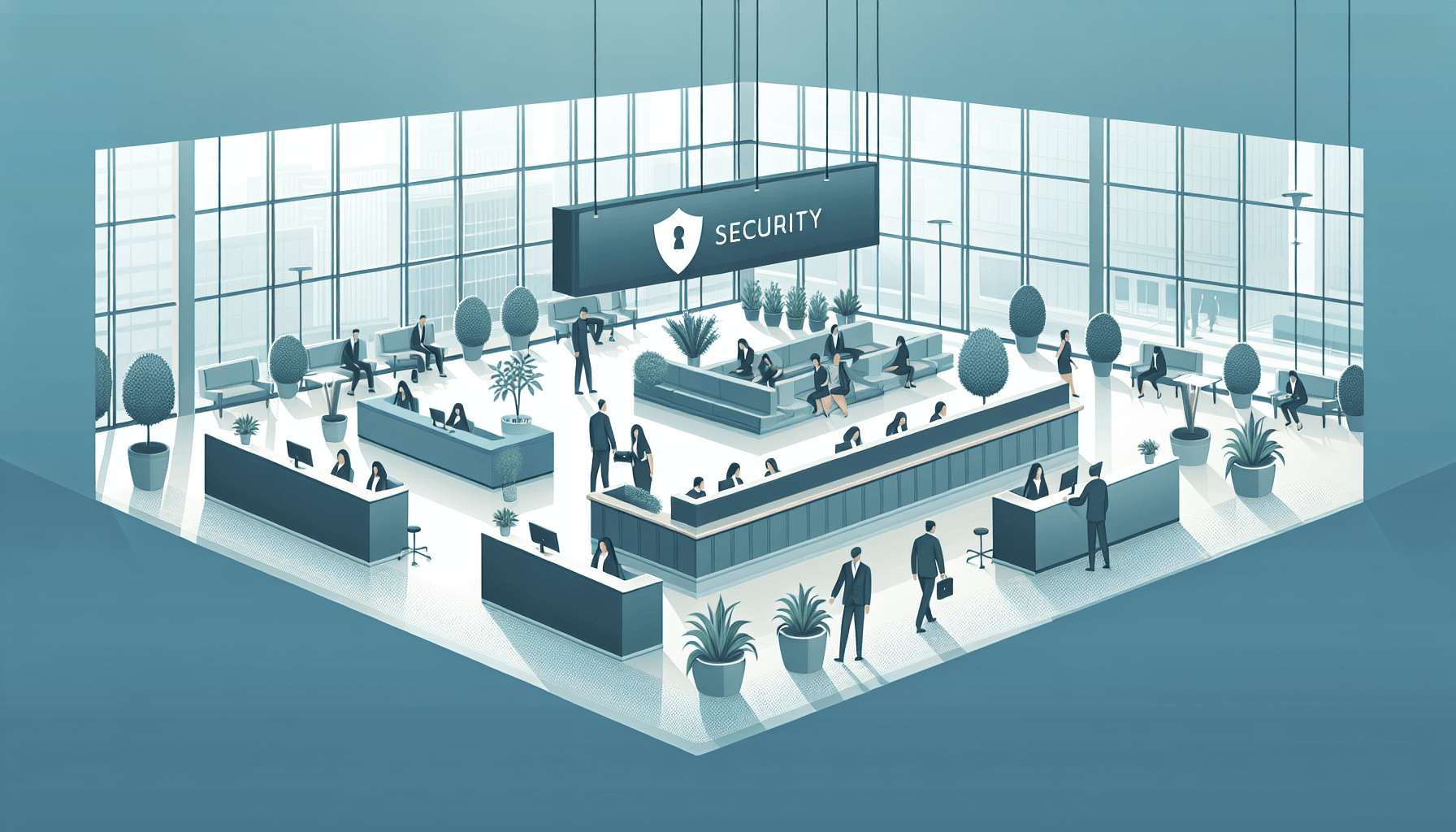
The receptionist at a mid-sized office gets up for coffee, leaving the front desk unattended. In those few minutes, anyone could walk in. A delivery person might take advantage, or even a non-employee with basic confidence. It’s these moments—when no one is watching—that reveal the weaknesses in security systems. They often attend to crises, but it’s in these routine lapses, the everyday actions (or inactions), where vulnerabilities flourish. It connects closely with [The Slow Leak: Why Our Physical Security Keeps Failing](/articles/the-slow-leak-why-our-physical-security-keeps-failing).
Most security fails not during a grand heist or urgent situation; it unravels quietly over time. Think about it. A door that isn't quite closed, a security badge waved through without verification, a camera that hasn’t been functioning for weeks. It connects closely with [Top 10 Risks to Warehouses in 2023](/articles/top-10-risks-to-warehouses-in-2023). Each of these instances seems minor in isolation, yet they accumulate to create a security environment that is paper-thin. You assume everything is fine because the structure exists. It looks good on paper, and that’s where organizations often stop looking.
What typically gets missed is how ordinary behavior creates exposure. Over time, routines become so ingrained that even seasoned employees start to overlook the little things that keep security intact. It connects closely with [to Conduct a Physical Security Risk Assessment for Your Business](/articles/physical-security-risk-assessment-business). A coworker might hold the door open for a friend who has forgotten their badge. "It's just this once," they think. But that one time can become twenty; eventually, it becomes the norm. People begin to develop blind spots to security protocols when they feel too comfortable.
Then there’s technology, the double-edged sword. Security systems may give a false sense of assurance, leading people to become reliant on them without ever understanding their limitations. Take surveillance cameras as an example. They’re great on paper but can be rendered useless if no one monitors them consistently. A motion sensor might trigger false alarms from an innocent cat, distracting personnel enough that when a real threat emerges, no one is responsive.
I’ve seen organizations invest heavily in technology, believing that hardware alone would solve their security issues. However, what often happens is the neglect of basic human factors that can undermine even the most impressive systems. For instance, an employee might not report a malfunctioning camera because they “thought someone else would do it”. Meanwhile, that camera is crucial for covering blind spots.
When collaborating with teams on security, it’s vital to foster an open culture where reporting vulnerabilities isn’t just encouraged but celebrated. Everyone must feel empowered to speak up when something seems off. It’s not about placing blame; it’s about forming a cohesive understanding that the security posture relies on collective responsibility, and part of that involves being vigilant—even during mundane moments.
To improve security, start with a thorough review of daily operations. Walk the space, speak to the staff, identify pain points in your current setup. Create a culture of awareness that doesn’t just rely on the cameras or alarms but on the people using them. Regular training sessions, refresher courses on security protocols, and encouraging open dialogue can bolster the integrity of your operations significantly.
Ultimately, security isn’t just a system; it’s a practice. It’s about the people, their habits, and their commitment to being vigilant. Every interaction, every routine, forms the framework of how secure your environment truly is. Security failures creep in through the gaps of daily routine. Addressing them involves turning those moments of inattention into opportunities for fortifying the defenses—before a crisis presents itself.
Remember, security is built and maintained in the ordinary moments, not just the extraordinary ones.
Checklist
- Review security procedures during routine hours.
- Encourage staff to report security issues immediately.
- Conduct regular security training sessions.
Filed under
Access Control →Related Articles
The Slow Leak: Why Our Physical Security Keeps Failing
“Physical security rarely collapses in a single, dramatic event. It’s more like a slow leak. A drip, drip, drip of small compromises that, o...

Top 10 Risks to Warehouses in 2023
Warehouses are prime targets for criminal activity, facing various physical security risks. This article discusses the top 10 risks in 2023...

How to Conduct a Physical Security Risk Assessment for Your Business
A physical security risk assessment is essential for protecting your business from potential threats. This guide walks you through a compreh...